Humans are wired for connection. From our first breath, our survival depends on being held, fed, and seen, which is why family sits at the center of who we become.
At its best, family is where we are nurtured, loved, and grown up, then sent into the world with enough security to succeed. At its worst, it is where we are hurt or neglected.
Most of us carry both stories, and many of us also build chosen family, the friends and partners who show up in ways our biological relatives could not.
There is another family we rarely name: the one inside us. Internal Family Systems (IFS), developed by Richard Schwartz, describes the mind as a system of parts, each with its own feelings, beliefs, and role. Protectors work hard to keep us safe by managing, striving, pleasing, or numbing. Exiles carry the pain and vulnerability we learned to push away early in life. None of these parts is the problem. Each is doing its best with the role it was handed.
Underneath them is what IFS calls Self, a core of curiosity, calm, compassion, and clarity that is never damaged, even when it is hard to access. When Self leads, we can turn toward our parts the way a steady parent turns toward a frightened child.
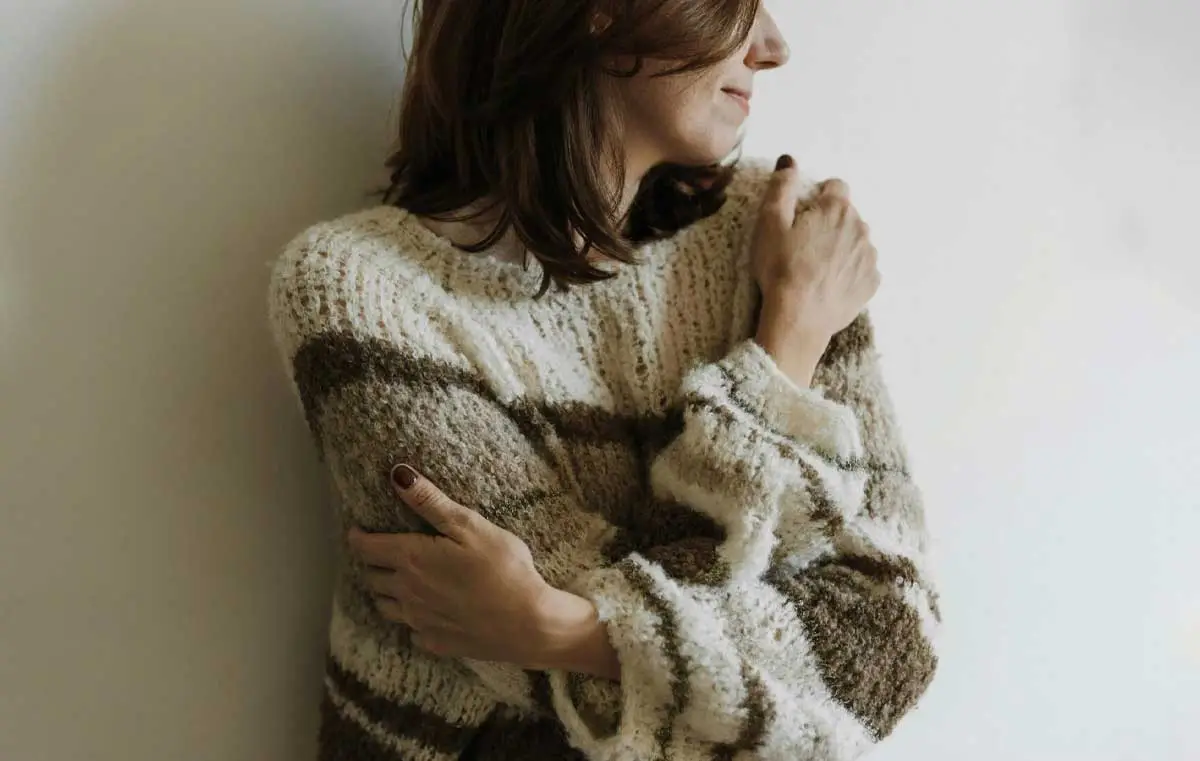
That is what self love looks like in practice: returning again and again to the family within, listening to the parts that protect us and tending the parts that hurt. As that relationship becomes more integrated, we become less reactive, more present, and better able to give and receive love.
The holidays bring this into focus. As we gather with our biological family, chosen family, or both, our inner family comes along too.
Connection goes better when we stay connected to ourselves: choosing which invitations to accept, noticing which parts get stirred up at the table, and setting boundaries that protect the parts who need care. Returning to self love is what lets us gather and connect without losing ourselves.